


|
|
 |
issue
|
issue > pet stores > prices
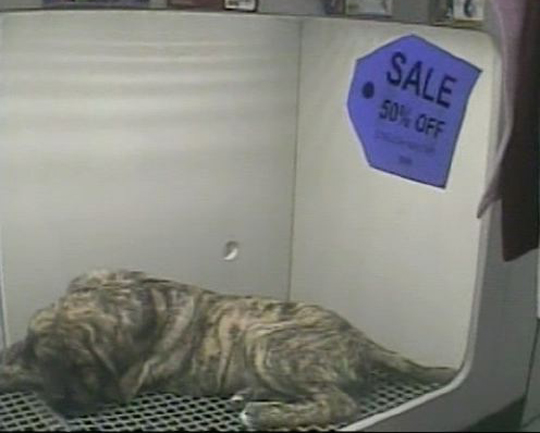
The price of a puppy or kitten The price of a puppy or kitten varies widely if sold through pet stores, through online breeder directories or directly from a breeder (as advertised through websites or ads). As with any business, pet stores mark up the price of the animal (once purchased from a breeder or broker) to make a profit on the sale. The price is not reflective of the health of the animal or the quality of breeder or breeding conditions. Dogs and kittens have sold for under $50 or over thousands of dollars from both good and bad breeders. As an example, a pet store in Blaine, Minnesota (Four Paws And A Tail), that acquires puppies from large commercial breeders, displayed prices for puppies on their website ranging from $1,649 - $3,500 in 2023. Only one puppy was priced below $1,000. (These prices vary based on time of viewing.) All other puppies were smaller breeds, such as yorkie, morkie, shorkie, maltese, cavachon, teddy poo, and peke a tese. In November 2016, prices on this pet store's website ranged from $1,200 to $4,500. Some puppies were "on sale" for about $750 - $1,000. Another pet store, located in St. Paul (now closed) that also bought puppies from large commercial breeders, had prices ranging from $398 to $1,495 for puppies in November 2016.
The true cost of breeding Higher prices should reflect proper care (i.e. veterinary costs, quality food and shelter, appropriate levels of staffing for exercising and socialization, vaccinations, microchipping, etc.) but disreputable breeders:
There is limited documentation available to the public to confirm breeding and dealer interactions and pricing. As with all business, each company that touches "the product" marks up the price (beyond expenses) to earn a profit. As an example: Some USDA-licensed breeders have been known to sell a puppy for $200 - $800 each to dealers. The dealer then adds kenneling and transport expenses plus their own mark-up (for profit) when selling to pet stores. The pet store then adds an additional mark-up (for expenses and profit), resulting in the end retail price to the consumer. With some pet stores, the dealer is not involved (the pet store owner buys directly from the breeder) so the price may be lower. NOTE: A typical mark-up within retail is 50%-60%. Obviously, mark-ups and prices vary widely based on type of breed, time of year, consumer demand, shipping costs, and other factors. The less money spent on animal care by the breeder (at his/her kennel), by the dealer (at his/her kennel), by the carrier (when the animal is trucked or shipped by air) or by the pet store (when caged at the store for days, weeks or months), the higher the profit for each animal sold.
The economy impacts prices Pet Shop Puppies (no longer operating) was a nonprofit organization that tracked pet store activities, received pet store complaints and analyzed pet store data, such as pet prices. Their data is from years ago, but it showed how puppy prices, like other "products," may vary based on the economy — and also vary seasonally, especially during and after the holidays in December. In a 2009 assessment of the pet store industry, Pet Shop Puppies concluded:
The above prices are obviously dated from 2007, 2008 and 2009. As the economy changes, so too do prices. During COVID (2020-2021), people purchased many puppies — and products, services, and supplies for these pets. The pet industry exploded. Limited data is available at this time to document the COVID "impact."
|
 |
"));